Empowering communities to take an active role in conservation. We amplify community voices in decision-making and remove barriers for people with disabilities, transforming marginalized groups into environmental leaders.
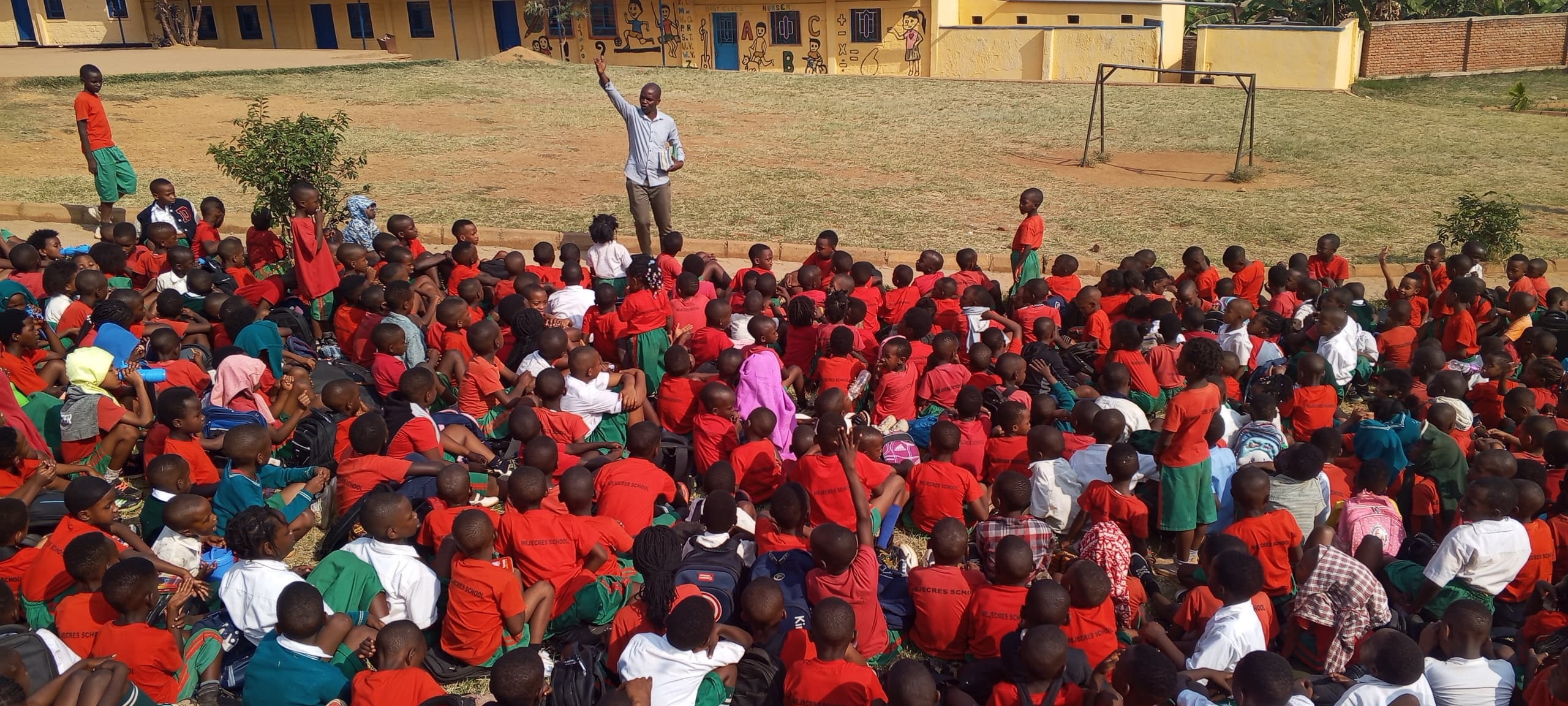
The Voice of Biodiversity and Climate Action is the flagship program of Nature Our Teacher, designed to empower communities to take an active role in environmental conservation and climate resilience. Rooted in the principles of inclusivity, participation, and social equity, the program ensures that every individual—regardless of background or ability—has the opportunity to engage in shaping sustainable environmental solutions. At the core of the program is a strong commitment to amplifying community voices in environmental decision-making. By encouraging open participation from diverse groups, the initiative creates a platform where local knowledge, experiences, and ideas contribute to effective biodiversity protection and climate action strategies. This approach strengthens both the relevance and impact of environmental efforts. A key focus of the program is inclusivity, with special attention given to children, youth, women, and people with disabilities or chronic illnesses. Through targeted outreach, accessible resources, and adaptive activities, the program removes barriers to participation and ensures that marginalized and vulnerable groups are not only included but empowered as leaders and change-makers in their communities. The program also emphasizes education and capacity building as essential tools for sustainable impact. Through training sessions, awareness campaigns, and hands-on activities such as tree planting and conservation projects, participants gain the knowledge and skills needed to actively protect the environment and promote climate resilience within their communities. By fostering collaboration with local partners and promoting a culture of shared responsibility, the Voice of Biodiversity and Climate Action program is building a strong, inclusive movement for environmental sustainability. Its ultimate goal is to create a future where communities live in harmony with nature, and where every voice contributes to protecting the planet for generations to come.
Key Objectives
- 01Establish active dialogue between communities and conservation authorities.
- 02Reforest degraded buffer zones bordering primary National Parks.
- 03Incorporate adaptive and accessible farming techniques for disabled participants.
Measurable Outcomes
- Planted over 15,000 indigenous trees across 3 major districts.
- Developed 4 universally accessible eco-trails.
- Trained 120 individuals with mobility challenges in agro-conservation.